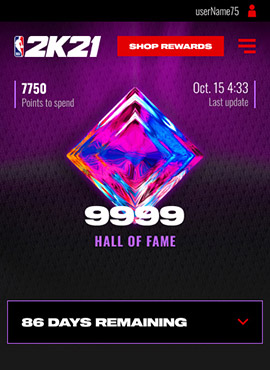
2K Games Reward Program
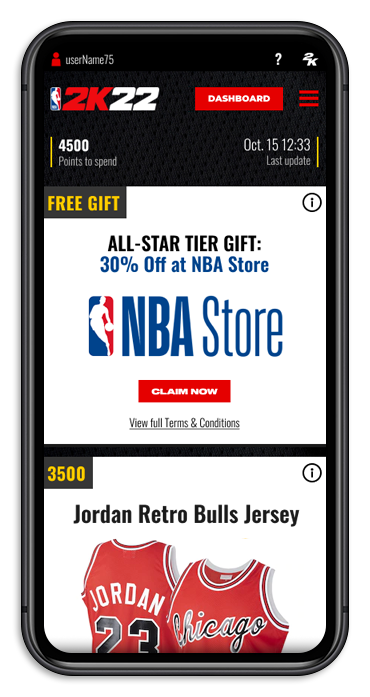
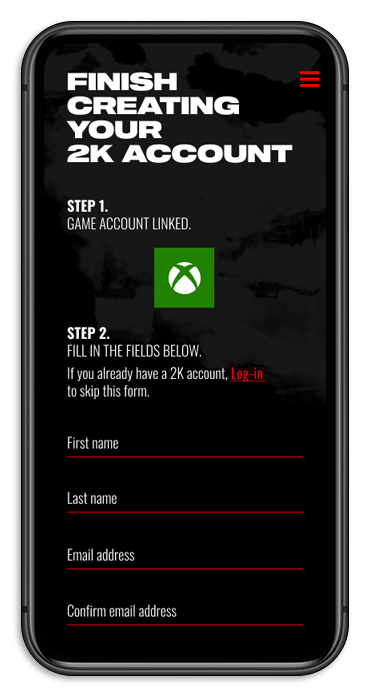
Designed a game-agnostic web rewards platform that extended player engagement across 2K's entire sports portfolio.
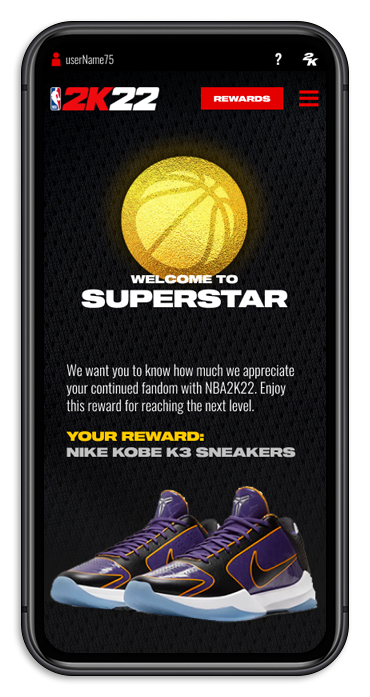
Role:
Lead Product Designer
Platform:
Web Application
Project Type:
Zero to One Product Launch
Deliverables:
Strategy, Research, Architecture, Ideation, Prototyping, Testing, Wireframing
Team:
Product Manager, Engineers, Domain Experts, Economist, Visual Designer (late-stage brand styling)
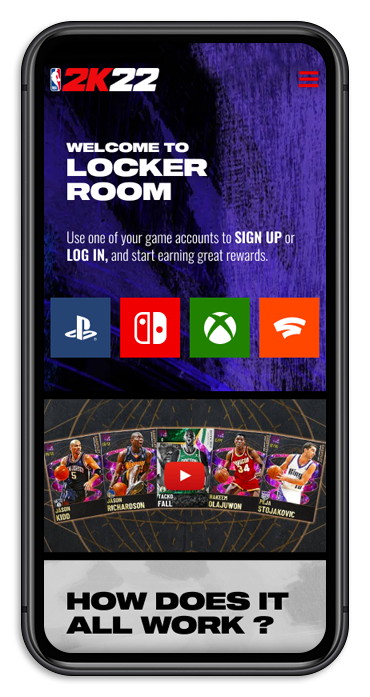
Summary
Challenge
NBA2K players were abandoning the game within months of release, taking engagement, and ongoing revenue with them. 2K needed a retention mechanism that could work across its sports portfolio without requiring game engineers to build anything new.
Approach
I led the design of a web-based rewards program from the ground up, deliberately game-agnostic so it could be branded and deployed across any 2K title. Research, event storming, concept testing, and iterative wireframing drove every decision before a Visual Designer was brought in for final game-specific styling.
Results
22% increase in player engagement.
Context / Background
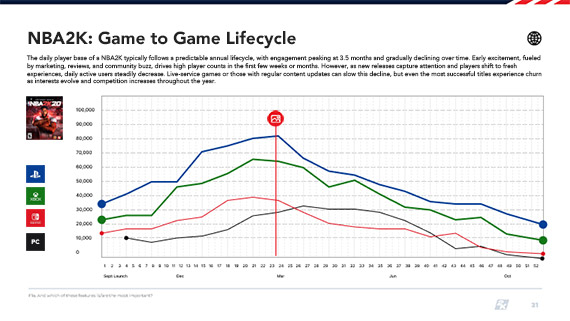
2K Games publishes annual titles across consoles, PC, and mobile. Annual release cycles create a structural retention problem: players pick up the new game at launch, engage heavily for a couple of months before dropping off. The gap before the next title represents real lost revenue and weakened user relationships heading into each new release.
2K had no dedicated methods for extending engagement past the initial post-launch peak. The business needed a solution that didn't require game engineers to build anything new inside the game engine itself.
Challenge
Research confirmed NBA2K players were churning a couple of months after release. The business objective was clear: extend engagement and retention for 2K's sports titles, but the path to a solution wasn't.
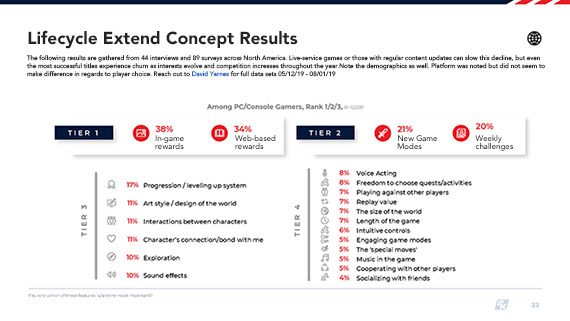
Four ideas surfaced in early brainstorming: in-game rewards, real-world rewards, new game modes, and daily and weekly challenges. In-game rewards ranked highest with users, but game engineers didn't have the capacity to implement them within the next release cycle.
38%
In-game rewards
34%
Real world rewards
21%
New game modes
20%
Daily / weekly challenges
This created the central design challenge: deliver an experience that changes player behavior, without touching the game itself, across a portfolio of titles with distinct audiences, visual identities, and communities.
My Role
As Lead Product Designer, I owned the product experience from research through final handoff, directing all UX and design decisions across a cross-functional team.
⬩ Led the research program: user surveys, competitive analysis, and customer journey mapping.
⬩ Defined the game-agnostic architecture as a deliberate early strategic decision.
⬩ Drove concept testing across onboarding design, dashboard layout, and checkout flow.
⬩ Designed all wireframing, prototyping, and final specifications.
The Core Strategy
Build one platform, not several.
Rather than designing a rewards experience tailored to NBA2K and then adapting it later, I architected the product to be game-agnostic from the start, with a shared structural foundation that a Visual Designer could brand distinctly for each title. That decision shaped everything that followed.
Design the Platform to Scale Across the Portfolio
The temptation on a project like this is to optimize for the flagship, NBA2K, then figure out the rest later. I pushed against that. Early in the project, I established that the platform's architecture, components, and flows would be built without game-specific assumptions baked in. This meant defining flexible content structures, abstract tier systems, and a points model that could accommodate the different economies of NBA, PGA, and future titles.
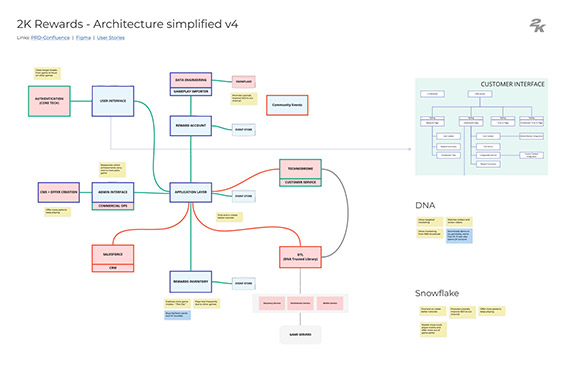
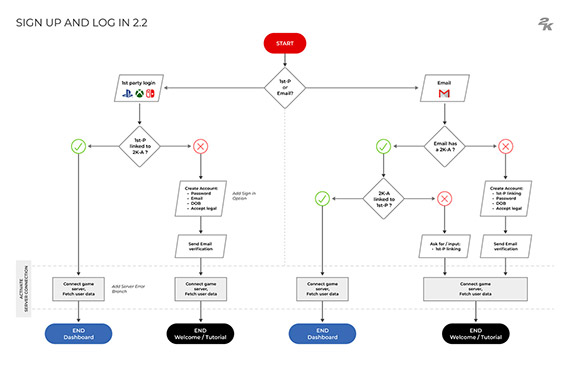
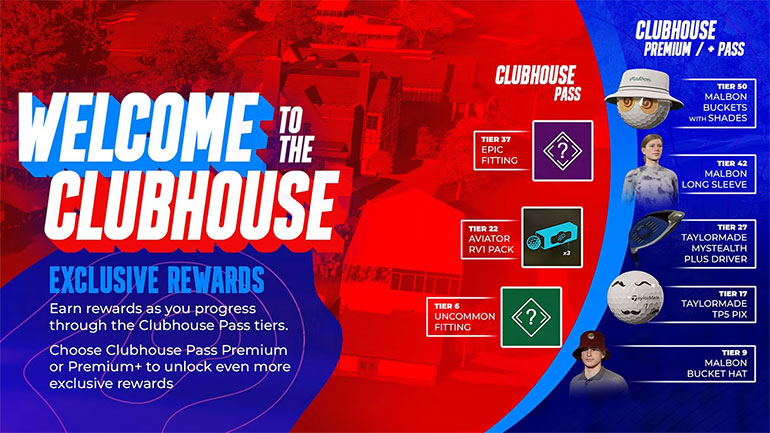
It also meant sequencing the visual design work deliberately. I kept a Visual Designer out of the project until the platform's structure was locked, then brought them in to apply game-specific branding as a final layer, not as a foundational decision. When NBA2K's launch window closed due to internal resource constraints and the program rolled out with PGA2K instead, the platform required no structural redesign. It deployed as intended.

Researching the Right Solution
Before any wireframe was drawn, I needed to understand what actually worked in loyalty/rewards and not just in gaming, but across industries. I ran a 54-user survey of people with experience in loyalty programs, ranging from Starbucks and Delta to EA Play and Adidas. The findings were pointed: rewards programs are highly transactional experiences, users want to get in and get out. They expected earned points to appear quickly, and surprisingly, game statistics ranked low on user interest.
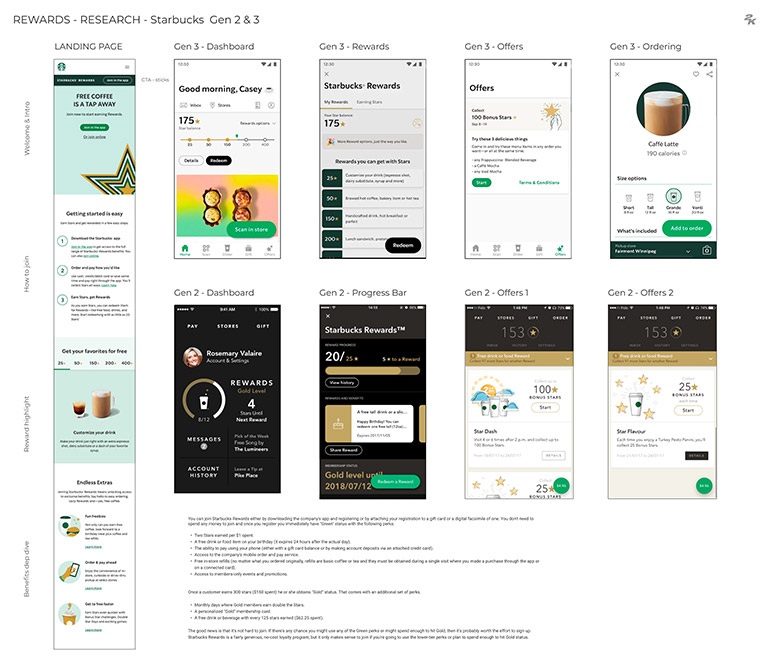
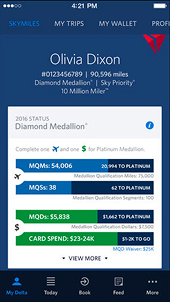
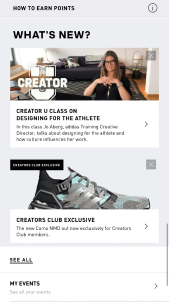
These findings directly shaped the product's information hierarchy and killed features that would have added complexity without value. The competitive analysis also revealed what engagement and tier mechanics looked like across the strongest programs in the market, which informed the points and reward structure I designed with the game economist.
Testing High-Stakes UX Solutions Before Committing
Three design problems carried enough risk and enough engineering cost to warrant concept testing before I moved into full wireframes.
1. Progress indicators
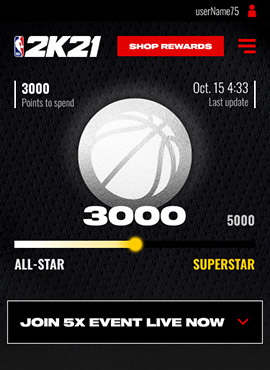
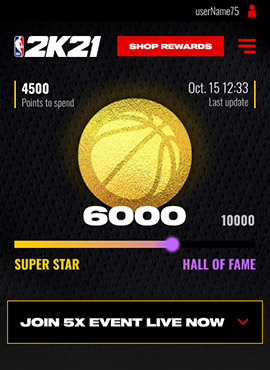
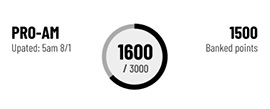
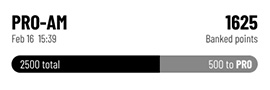
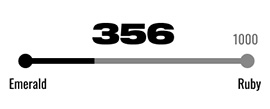
I tested multiple progress bar approaches with 20 users to determine what they noticed first and how clearly they understood their status. Linear indicators won decisively. The concept of "banked points" also tested well and became a core feature of the tier system.
2. Dashboard layouts
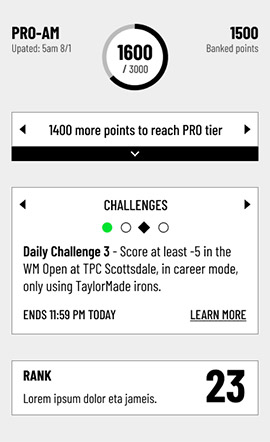
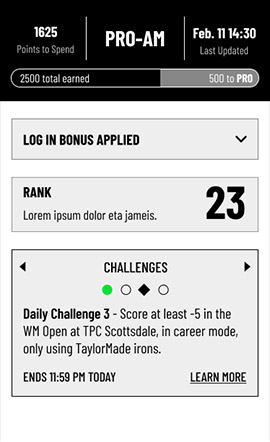
I tested multiple mobile layout approaches against each other, varying information hierarchy and feature placement. Clean, minimal designs that displayed tier status and available rewards outperformed denser alternatives.

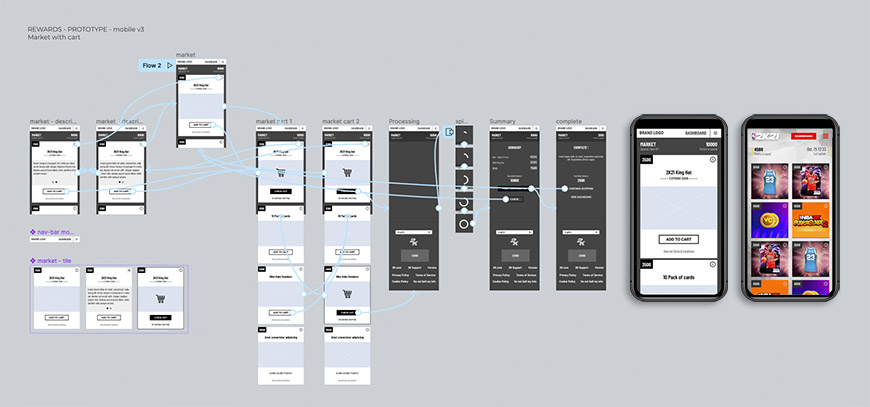
3. Checkout flow prototypes
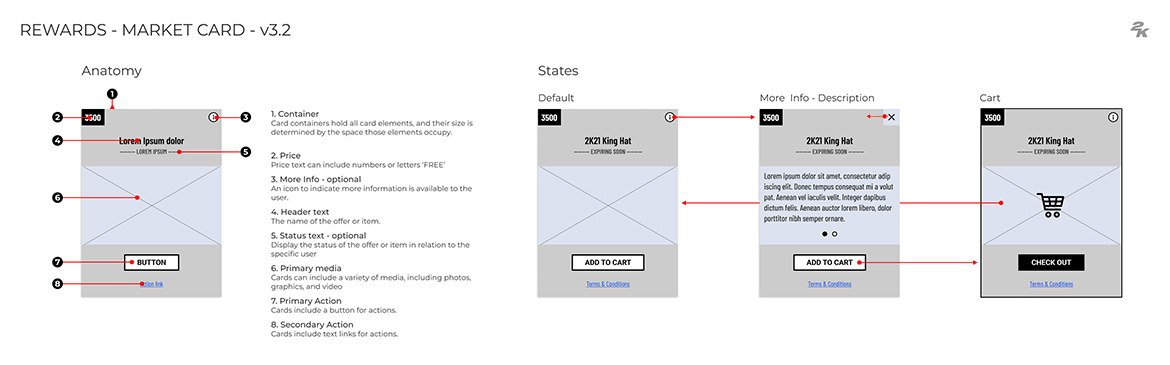
I tested a cart-based flow for purchasing multiple items against a single-item checkout flow. Combined with the research insight that users want in-and-out experiences, the results were clear: a cart added complexity without a use case to justify it. The simpler single-item flow became the standard.
Holding the Architecture Through Turbulence
Launching a new product within a company running annual release cycles is as much a political exercise as a design one. The NBA version faced repeated delays as teams were pulled toward higher-priority projects, with NBA2K's demands crowding out everything else during crunch periods.
This was anticipated. The game-agnostic architecture allowed PGA2K, which had more internal bandwidth, to take the platform to market first without redesign. A 22% engagement increase validated the platform's core design and built the internal case for rolling it out to NBA and other titles.

Results & Impact
The rewards platform launched with PGA2K and delivered a 22% increase in player engagement, a meaningful result for a category where post-launch retention is one of the hardest problems in sports gaming. The game agnostic architecture proved its value immediately: the same platform that launched with PGA was ready to extend to NBA2K and future 2K sports titles without structural rework.
+22%
User engagement improvement